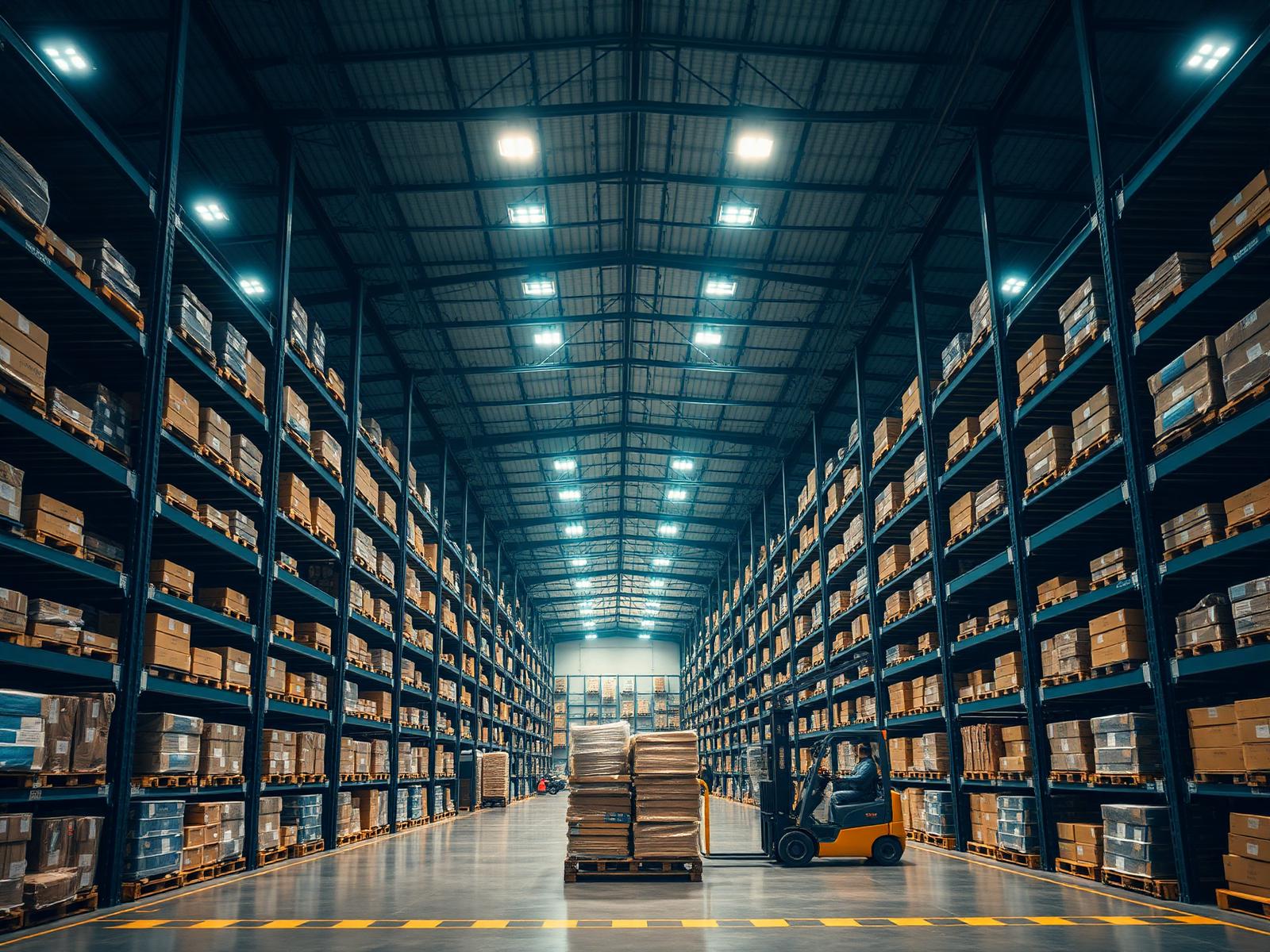
Incoterms are the three-letter rules that decide who pays for freight, who handles customs, and exactly where risk passes from seller to buyer. Misreading one term can quietly cost you thousands. Here is how the most common terms actually work.
The four you will use most
You do not need all eleven Incoterms. In day-to-day e-export, a handful cover almost every deal.
| Term | Who pays main freight | Who clears import | Best for |
|---|---|---|---|
| EXW | Buyer | Buyer | Buyers with their own forwarder |
| FOB | Buyer | Buyer | Sea freight, experienced buyers |
| CIF | Seller | Buyer | Sea freight with insurance included |
| DAP / DDP | Seller | Seller (DDP) | Smooth door-to-door delivery |
Where risk actually transfers
Risk and cost are not the same thing. Under FOB, risk passes once goods are loaded on the vessel; under DAP, the seller carries risk almost to the buyer’s door. Always match the Incoterm to who is best placed to manage that leg.
Choosing the right term
New importers usually prefer DAP or DDP because the price they see is close to the price they pay. Experienced buyers with a forwarder often choose FOB to control freight cost directly.
Pick the Incoterm that puts each responsibility with the party most able to handle it — not simply the lowest sticker price.
Frequently asked questions
Is DDP always the safest choice?
It is the most convenient, but you pay a premium and the seller controls customs. For larger volumes, FOB can be cheaper.
Do Incoterms cover payment terms?
No. Incoterms define delivery, cost and risk only — payment is agreed separately.
Work with Ambiance Export
Ambiance Export manages sourcing, marketplace operations, customs and worldwide logistics end to end — so you can focus on growth. Request a consultation and our team will reply within one business day with a tailored plan.